The link between gambling and mental health issues: What to know
Understanding Gambling Addiction
Gambling addiction, often referred to as compulsive gambling or pathological gambling, is a significant mental health issue affecting countless individuals worldwide. This condition goes beyond mere enthusiasm for betting; it transforms into an uncontrollable urge that impacts various facets of a person’s life. It not only strains relationships but can also lead to severe financial problems and emotional distress.
Many individuals engage in gambling for various reasons, such as entertainment or socializing. However, the thrill of winning can quickly spiral into addiction, pushing individuals to gamble excessively despite the potential consequences. Recognizing the signs of gambling addiction early can pave the way for seeking appropriate help and intervention.
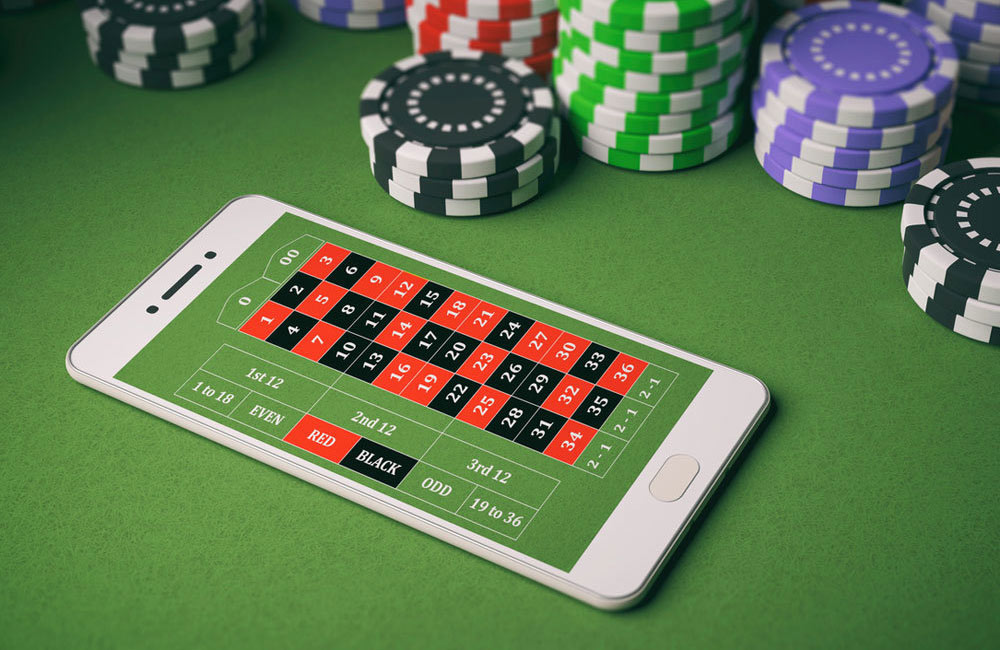
Understanding the nuances of gambling addiction is vital for both those affected and their loved ones. It’s a condition that can affect anyone, regardless of age, gender, or socioeconomic status. Stigmas surrounding gambling in society can often discourage individuals from seeking help, as they may fear judgment. Education about gambling addiction must be spread to create a more supportive environment for recovery.
The Mental Health Impact of Gambling
The relationship between gambling and mental health issues is intricate and concerning. Many individuals who struggle with gambling addiction also experience co-occurring mental health disorders such as anxiety, depression, and substance use disorders. These interconnections can create a complex web that’s challenging to navigate, often exacerbating feelings of isolation and despair.
Moreover, the financial strain caused by gambling losses can lead to heightened stress levels, contributing to further mental health decline. The shame and guilt from gambling often prevent individuals from seeking help, which only prolongs their suffering. Understanding this correlation can assist loved ones in recognizing when someone may be in need of support.

As gambling addiction progresses, many individuals may also experience a decline in their physical health. Poor eating habits, lack of sleep, and neglect of personal hygiene can become prevalent as gambling takes precedence over self-care. It’s crucial to consider a holistic approach to treatment, addressing not merely the gambling behaviors but also the underlying mental and physical health issues.
Signs of Problematic Gambling Behavior
Identifying problematic gambling behaviors is crucial for intervention and recovery. Some common signs include a preoccupation with gambling, lying about gambling habits, borrowing money to gamble, and neglecting responsibilities in favor of betting. Individuals may also exhibit mood swings and irritability when not gambling or discussing it.
It’s essential to take these signs seriously. Friends and family members often play a vital role in noticing these indicators, as the affected individuals may downplay their issues or hide their behaviors. Offering compassionate support can make a significant difference in encouraging them to seek professional help.
In addition to the signs already mentioned, individuals may also isolate themselves from friends and family, preferring to gamble instead of participating in social activities. This withdrawal can further exacerbate feelings of loneliness and guilt, creating a vicious cycle. It’s important for loved ones to approach the situation with empathy, facilitating open discussions about concerns while avoiding judgment that may push the individual further away.
Pathways to Recovery
Recovery from gambling addiction is possible, and numerous resources are available for those seeking help. Therapy options, such as cognitive-behavioral therapy (CBT), can provide valuable tools for managing triggers and developing healthier coping mechanisms. Support groups, like Gamblers Anonymous, offer community and understanding from others facing similar challenges.
Moreover, seeking help through licensed professionals can be vital for maintaining lasting recovery. Engaging in activities that promote mental health, such as exercise or mindfulness practices, can also benefit those in recovery from gambling-related issues. Tackling the problem head-on increases the chances of regaining control over one’s life.
Additionally, creating a structured routine can aid in recovery, providing a sense of purpose and stability. Many individuals find that volunteering or pursuing hobbies can be excellent outlets for channeling their energy positively. These activities not only enhance self-esteem but also strengthen social connections that can be crucial during the recovery process.
Additional Resources and Support
For those affected by gambling addiction, numerous online platforms and organizations are dedicated to providing support and information. Resources typically range from counseling services to educational materials about the impacts of gambling. These resources play a pivotal role in helping recovery phases.
If you’re looking to indulge in some relaxing activities, consider engaging with games that offer a fun yet responsible experience, like exploring the ice fishing game online. This can be an excellent way to unwind without the pressures associated with gambling, and it can foster social interactions in a healthier context.
Moreover, it is crucial to stay informed about the available resources, as they can serve as vital support systems during tough times. Engaging with community resources and connecting with others who have similar experiences can foster a sense of belonging and understanding, which is tremendously beneficial in the healing journey.
